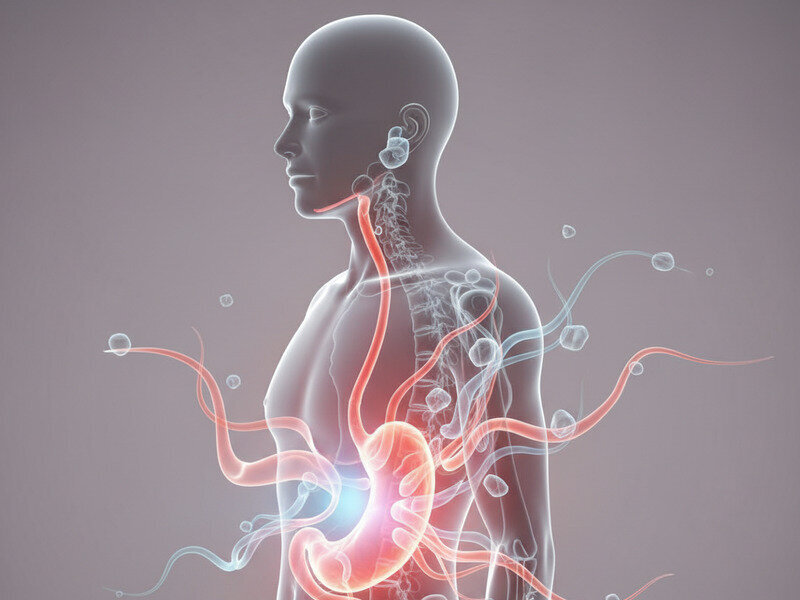
Unpredictable pain can be a frustrating and debilitating experience, often leaving individuals searching for answers. While many factors can contribute to such pain, one potential source that is sometimes overlooked is the stomach. Understanding the connection between gastrointestinal health and chronic pain can provide valuable insights into managing and potentially alleviating these discomforts.
The gastrointestinal (GI) system plays a crucial role in overall health, influencing everything from digestion to immune function. The stomach and intestines are not isolated entities; they interact closely with other bodily systems, including the nervous and immune systems. This interaction is primarily mediated through what is known as the gut-brain axis, a bidirectional communication pathway that links the emotional and cognitive centers of the brain with peripheral intestinal functions.
The Gut-Brain Axis: A Key Player
The gut-brain axis is a complex network involving the central nervous system, the enteric nervous system (often referred to as the "second brain"), and the gut microbiota. This axis allows for communication between the gut and the brain, influencing mood, pain p...
Premium preview
Premium members unlock the full article—complete step-by-step routines, deeper coaching notes, and exclusive frameworks.